Carpet Cleaning Fort Collins, CO: Remove Allergens and Refresh Rooms
@cruzbayi926

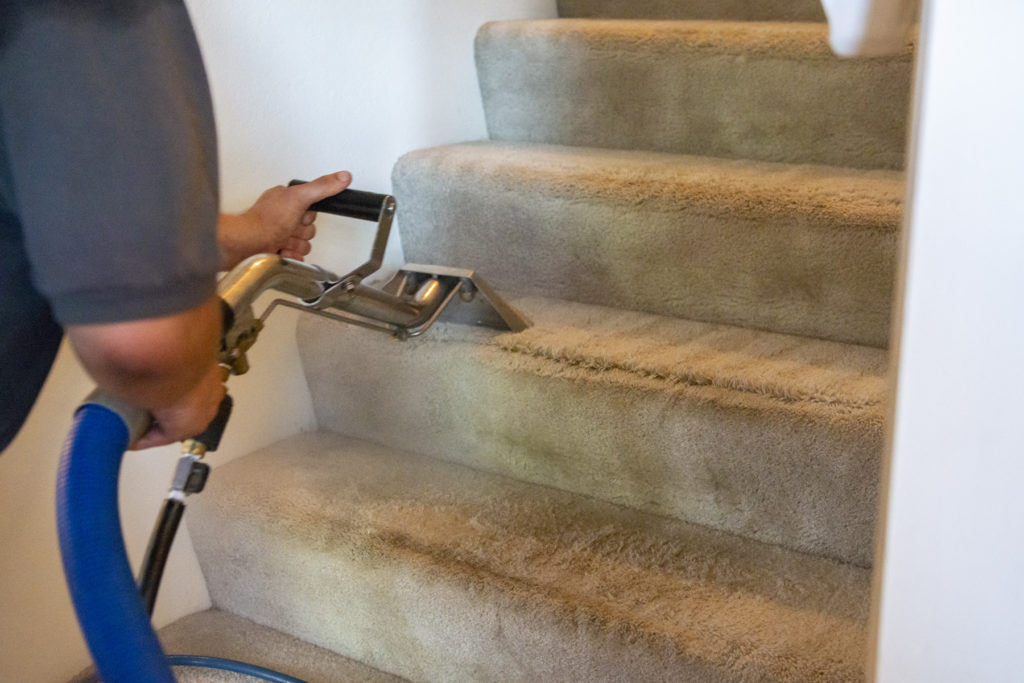
Carpet has a way of shaping how a home feels. When it is clean, rooms seem quieter, brighter, and more comfortable. When it is holding dust, pet hair, tracked-in grit, and old spills, the whole house can feel tired no matter how often the counters are wiped or the floors are swept. In Fort Collins, that difference shows up quickly. Dry air, windy days, snowmelt, spring pollen, and the constant in-and-out of daily life all settle deep into carpet fibers.
That is why carpet cleaning in Fort Collins, CO is not just a cosmetic service. It is part of maintaining indoor air quality, extending the life of flooring, and making living spaces feel genuinely fresh again. For many households, especially those with kids, pets, or allergy concerns, regular deep cleaning can make a noticeable difference in how rooms smell, look, and function.
A lot of homeowners wait until stains become obvious or guests are on the calendar. That is understandable, but it misses what is happening below the surface. Carpet acts like a filter. It captures soil, pollen, dander, and fine particles that would otherwise stay airborne. Over time, that filter gets overloaded. Once that happens, every footstep can push debris back into the air, and the carpet itself starts to wear faster.
Why Fort Collins carpets get dirty faster than people expect
Fort Collins has its own mix of conditions that challenge flooring. Even very tidy homes deal with more grit than owners often realize. If you have lived through a Front Range spring, you know how quickly wind can carry dust onto entry rugs, across hard floors, and into carpeted bedrooms and living rooms. Add snow and slush in winter, grass and mud in shoulder seasons, and dry particulate matter year-round, and carpets become a catch basin for a surprising amount of debris.
Homes near open space, trails, or active roads often see even more fine dust. Pet owners notice it first around baseboards and under furniture, but much of it is buried well below the visible surface. Families with children usually see another pattern, traffic lanes. Hallways, family rooms, and the path from the garage to the kitchen take the brunt of daily wear. Those areas may not look deeply stained, but they often feel matted and dull because abrasive soil is grinding against the fibers.
Humidity also plays a role, even in a generally dry climate. Small spills dry quickly in Fort Collins, which can fool people into thinking no residue remains. In reality, many spills leave behind sugars, proteins, or sticky compounds that keep attracting more soil. That is why a spot that seemed to disappear can return as a gray or yellow patch weeks later.
The connection between carpet and indoor allergens
Many people think of allergy triggers as something that lives outdoors. Pollen, dust, and mold spores certainly start there, but they do not stay there. Shoes, pets, jackets, backpacks, and open windows bring those particles inside every day. Once indoors, carpet traps them.
That trapping effect is not automatically a bad thing. In some ways, carpet can help by pulling fine material out of the air. The problem begins when those trapped particles build up faster than vacuuming can remove them. Then the carpet starts releasing them with movement. You see this in homes where someone wakes up congested, sneezes more in carpeted rooms, or notices symptoms get worse after kids have been playing on the floor.
Professional carpet cleaning addresses what ordinary vacuuming leaves behind. Strong extraction removes embedded soil, dander, and residue from deep in the pile. If the cleaning is done correctly, with controlled moisture and thorough rinsing, it can reduce the load of irritants that has been sitting in the carpet for months or even years.
There is a practical distinction worth making here. Carpet cleaning is not a cure for allergies, and no responsible cleaner should present it that way. But it can be an important part of a broader indoor air quality strategy, especially when paired with good vacuuming, HVAC filter changes, and entryway habits that reduce what gets tracked indoors.
What professional cleaning does that rental machines usually cannot
Many homeowners have tried the grocery store or hardware store rental unit at least once. The appeal is obvious. It feels cheaper, it is available on short notice, and it promises a deep clean over a weekend. Sometimes it helps, especially for a recent spill. But in real homes with settled-in soil, it usually does not produce the same result as professional service.
The biggest difference is extraction. Rental machines often apply a lot of water and recover only part of it. That leaves carpet wetter for longer, which can create a stale smell and increase the chance of wicking, where stains migrate back to the surface during drying. Professional equipment typically has stronger vacuum power, better heat control, and more consistent solution delivery. That matters because effective cleaning is not about flooding the carpet. It is about suspending soil, rinsing it thoroughly, and removing as much moisture as possible.
Carpet Cleaning Fort Collins, COAnother difference is fiber knowledge. Nylon, polyester, olefin, wool, and blended carpets do not all respond the same way to agitation, heat, or spotting agents. A technician with experience knows how to treat a food spill differently from pet contamination, how to handle a traffic lane differently from a rust spot, and when a stain is permanent rather than simply dirty. That judgment saves carpet. It also prevents a common mistake, over-scrubbing one area until the texture changes and the spot becomes more visible than before.
In the context of carpet cleaning Fort Collins, CO, this matters because local homes often have a mix of challenges at once: dry dust, winter salts, pet oils, and isolated spots from normal family life. One-size-fits-all methods rarely work well on that combination.
Steam cleaning, low-moisture cleaning, and how to choose
People often ask which method is best, and the honest answer is that it depends on the carpet, the level of soiling, and the goal. Hot water extraction, often called steam cleaning, remains one of the most effective options for deeper restoration. It works especially well when carpets have heavy soil, sticky residue, or accumulated allergens. When performed properly, it flushes out debris that vacuuming and surface cleaning leave behind.
Low-moisture methods can also be useful. In commercial spaces, occupied offices, or homes where rapid dry time is the priority, encapsulation or similar systems can improve appearance with less downtime. These methods can be a good maintenance choice between deeper cleanings. They are not always the best answer for severe buildup or contamination, but they have a place.
What matters more than the label is whether the process matches the situation. A lightly soiled carpet in a guest room does not need the same approach as a family room where a dog sleeps every night and kids spill sports drinks on weekends. A professional should be willing to explain that distinction rather than pushing one method for every job.
The stains people worry about most
Not all stains are equal. Some are mostly soil on the surface. Others alter the dye structure of the fiber or leave behind oils and proteins that need targeted treatment. In my experience, the stains that cause the most frustration are the ones that look simple but are chemically stubborn. Coffee, tea, wine, pet accidents, and old food spills all fall into that category for different reasons.
Pet issues deserve special mention because the visible spot is often only part of the problem. Urine can spread into the backing and pad, and the odor may intensify on humid days even when the carpet looks fairly normal. Surface cleaning alone will not solve that. Depending on the severity, the fix might involve sub-surface treatment, specialized enzymes, pad replacement in localized areas, or in extreme cases, removing and reinstalling part of the carpet. Any cleaner who promises every pet issue will disappear completely is overselling. Some odors can be dramatically reduced. Some can be fully resolved. Some, especially older or repeated contamination, require repair work beyond standard cleaning.
Red stains are another category that tests expectations. Sports drinks, fruit punch, and some medications can permanently affect carpet dyes. Skilled spot work can often improve them, sometimes significantly, but not every red mark comes out. A good technician will be direct about that before starting.
How often carpets should be cleaned
There is no single schedule that fits every household. Manufacturer recommendations often suggest professional cleaning every 12 to 18 months to preserve appearance and, in some cases, warranty conditions. In real life, usage matters more.
A quiet household with no pets, a no-shoes habit, and mostly hard-surface living areas might do well with annual cleaning in the carpeted rooms that see moderate use. A busy home with two dogs, young children, and frequent guests may need service every 6 to 9 months in the main areas to stay ahead of wear and allergens. Bedrooms often need less frequent attention than stairs, hallways, and family rooms.
The simplest way to judge timing is to look beyond stains. If the carpet feels sticky after vacuuming, smells dull, looks darker in traffic lanes, or mats down soon after being brushed up, it is carrying more residue than routine maintenance can handle. That is usually the point where deep cleaning makes a visible difference.
What homeowners can do before the appointment
Preparation does not need to be complicated, but a little effort helps the cleaning go more smoothly and improves results. Homeowners get the most value when the carpet is thoroughly vacuumed before deep cleaning, especially if there is visible pet hair. Dry soil removal matters because wet cleaning loose grit can turn that debris into mud and reduce efficiency.
A few simple steps usually make the day easier:
- Move fragile items, lamps, and small decor off tables and low shelves.
- Vacuum traffic areas and places where pets spend time.
- Mark spots of concern so they can be inspected before cleaning starts.
- Keep children and pets clear of work areas until carpets are dry.
- Ask in advance which furniture will be moved and which will stay in place.
That conversation about furniture is worth having early. Some companies move light items such as sofas, chairs, and coffee tables. Others clean around beds, loaded bookcases, or entertainment centers. Neither approach is wrong, but assumptions cause disappointment. It is better to know exactly what is included.
Dry time and how to avoid that damp-carpet feeling
Dry time is one of the biggest concerns homeowners have, and for good reason. Nobody wants to tiptoe around soggy carpet for a day and a half. Under normal conditions, professionally cleaned carpet often dries in roughly 6 to 12 hours, though some jobs dry faster and some take longer. Factors include humidity, airflow, carpet thickness, the amount of soil being flushed out, and the efficiency of extraction.
Drying goes faster when air is moving. Ceiling fans help. HVAC circulation helps. Opening windows can help if outdoor conditions are dry and mild, though during high pollen days that is not always ideal for allergy-sensitive households. Walking on damp carpet in clean socks is usually fine unless the cleaner recommends otherwise, but shoes should stay off until the fibers are fully dry.
If carpet stays wet too long, there is usually a reason. Over-application of water, poor extraction, high humidity, or a very dense pad can all slow drying. That is one place where choosing an experienced provider matters. Good equipment and sound technique reduce the chance of that swampy, lingering dampness people sometimes associate with bad carpet cleaning experiences.
Refreshing a room is about more than stain removal
One thing clients often notice after a strong cleaning is that the room feels lighter even if the carpet was not heavily stained. That reaction makes sense. Carpet holds odor, oils, dulling residue, and compressed fibers that flatten the whole visual tone of a room. Once those are removed, colors read truer, the pile lifts, and the space looks more cared for.
There is also a tactile change that photos never capture. Clean carpet has a different hand. It feels less sticky, less gritty, more resilient underfoot. In bedrooms and family rooms, that can be the difference between a room that feels merely acceptable and one that feels comfortable enough to actually use the way it was intended.
For homeowners preparing to sell, this matters even more. Fresh carpet does not make an old home new, but it does improve first impressions quickly. Buyers notice smell and cleanliness within seconds. A carpet that looks dingy or carries pet odor can make the whole house feel neglected. Deep cleaning is one of the more cost-effective ways to improve presentation without renovation.
Choosing a carpet cleaning company in Fort Collins
The local market includes everything from owner-operators with years of hands-on experience to larger companies running multiple crews a day. There are excellent providers in both categories, and there are mediocre ones too. Price alone does not tell you much. Extremely low advertised specials often leave out key details, then upsell heavily once the crew arrives. That is not unique to this industry, but it is common enough to be aware of.
A better approach is to ask specific questions. Do they pre-treat traffic areas? What cleaning method do they recommend for your carpet and why? How do they handle pet odor or recurring spots? What is included in the quote? Are protectants optional or built into the price? How long should the carpet take to dry? Clear answers usually indicate a company that knows its process and respects the customer’s time.
It also helps to pay attention to how realistic they are. Experienced cleaners speak in probabilities, not guarantees that sound too good to be true. They can often improve a stained carpet dramatically, but they know some wear is permanent and some spots have already changed the fiber. That honesty is a good sign.
Protectants, deodorizing, and add-on services
After cleaning, many homeowners are offered fabric protectant or deodorizer. These services can be useful, but they should be chosen for a reason, not out of pressure. Protectant helps carpets resist future staining by giving spills a better chance of staying near the surface long enough to blot them up. In homes with children or entertaining, that can be worthwhile. It is not a force field, and it will wear off over time, but it can buy you precious minutes when accidents happen.
Deodorizing is more variable. If the odor is light and general, such as stale traffic buildup, cleaning alone may solve it. If the smell comes from pet urine in the pad or subfloor, a topical deodorizer may only mask the issue briefly. That is why diagnosis matters. Odor control works best when it addresses the actual source.
Area rugs, upholstery, and stairs are often handled at the same visit. Combining services can make sense because the same dust and allergens moving through the house are not limited to wall-to-wall carpet. Upholstered furniture, especially fabric sectionals, can hold just as much body oil, dander, and airborne soil as the floor beneath it.
Keeping carpet cleaner between appointments
No carpet stays perfect for long, especially in an active household, but small habits make a measurable difference. Regular vacuuming is the biggest one. Slow, thorough passes in traffic lanes remove dry soil before it gets ground deeper into the pile. Entry mats help too, particularly at the garage entrance, which is often the true front door in daily use.
If a spill happens, speed matters more than scrubbing. Blot first, using clean white towels or cloths. Work from the outside of the spot inward. Avoid over-wetting the area, and be cautious with store-bought spotters. Some leave residue or bleach the fiber, creating a bigger problem than the original spill.
These habits help carpets last longer between professional visits:
- Vacuum high-traffic areas at least weekly, more often with pets or kids.
- Use entry mats and encourage shoes-off habits when practical.
- Blot spills immediately and avoid harsh household chemicals.
- Rotate furniture occasionally to reduce repetitive wear patterns.
- Schedule deep cleaning before soil becomes visible and texture is damaged.
That last point is easy to underestimate. Carpet usually looks worn before it is actually worn out. In many cases, it is just carrying compacted soil that has dulled the color and crushed the fibers. Catching it early is far cheaper than replacement.
The long view: cleaner carpet, healthier rooms, better value
Replacing carpet is expensive. Even modestly sized homes can run into several thousand dollars once material, Carpet Cleaning Fort Collins, CO pad, tear-out, disposal, and installation are included. Good maintenance stretches that investment. Deep cleaning removes abrasive soil that acts like sandpaper underfoot, cutting away at fibers every day. It also resets the room in a way ordinary cleaning cannot.
For Fort Collins homeowners, that reset has practical value. Allergy seasons are real here. Pets are part of the family in many homes. Outdoor recreation is woven into daily life, which means more dirt, pollen, and moisture come back inside than people notice. Carpet cleaning Fort Collins, CO is one of those services that pays off both visibly and invisibly. You see brighter rooms and cleaner traffic lanes. You also get a lower burden of dust and residue built up in the places where people sit, play, and relax.
A fresh carpet does not solve every indoor comfort issue, but it changes the baseline. Rooms smell cleaner. The floor feels better underfoot. The house feels cared for again. For something most people walk across every day without much thought, that is a meaningful return.
TLC Carpet & Air Duct Cleaning
921 E Prospect Rd, Suite C
Fort Collins, CO 80525
(970) 352-8176
FAQ About Carpet Cleaning Fort Collins, CO
What is the best time of year to clean carpets in Fort Collins, CO?
Choose a day when you can give the carpet time to dry and keep foot traffic low. Ventilation and indoor humidity can matter more than the season.
How long will my carpet take to dry after cleaning?
Drying time varies with the carpet, cleaning method, humidity, and airflow. Ask the technician for an estimate and when to move furniture back.
How do I prepare my home for carpet cleaning?
Pick up small items, clear a path for equipment, and point out stains or delicate fibers. Ask the cleaner which furniture they can move and what needs to be moved before the visit.